

 AI-generated
 AI-generated
 AI-generated
Foosball for beginners: ball control step by step
Contents
Before you can shoot, you need the ball. Ball control means you put the ball where you want it, and it stays there. That takes a relaxed hand, not strength. Every shot builds on it, from the pull shot to the snake.
Why ball control matters
- You lose the ball less often when the other side puts you under pressure.
- You can set the ball up exactly where you need it for your shot.
- You play with more calm. Whoever controls the ball sets the pace.
3 steps to better ball control
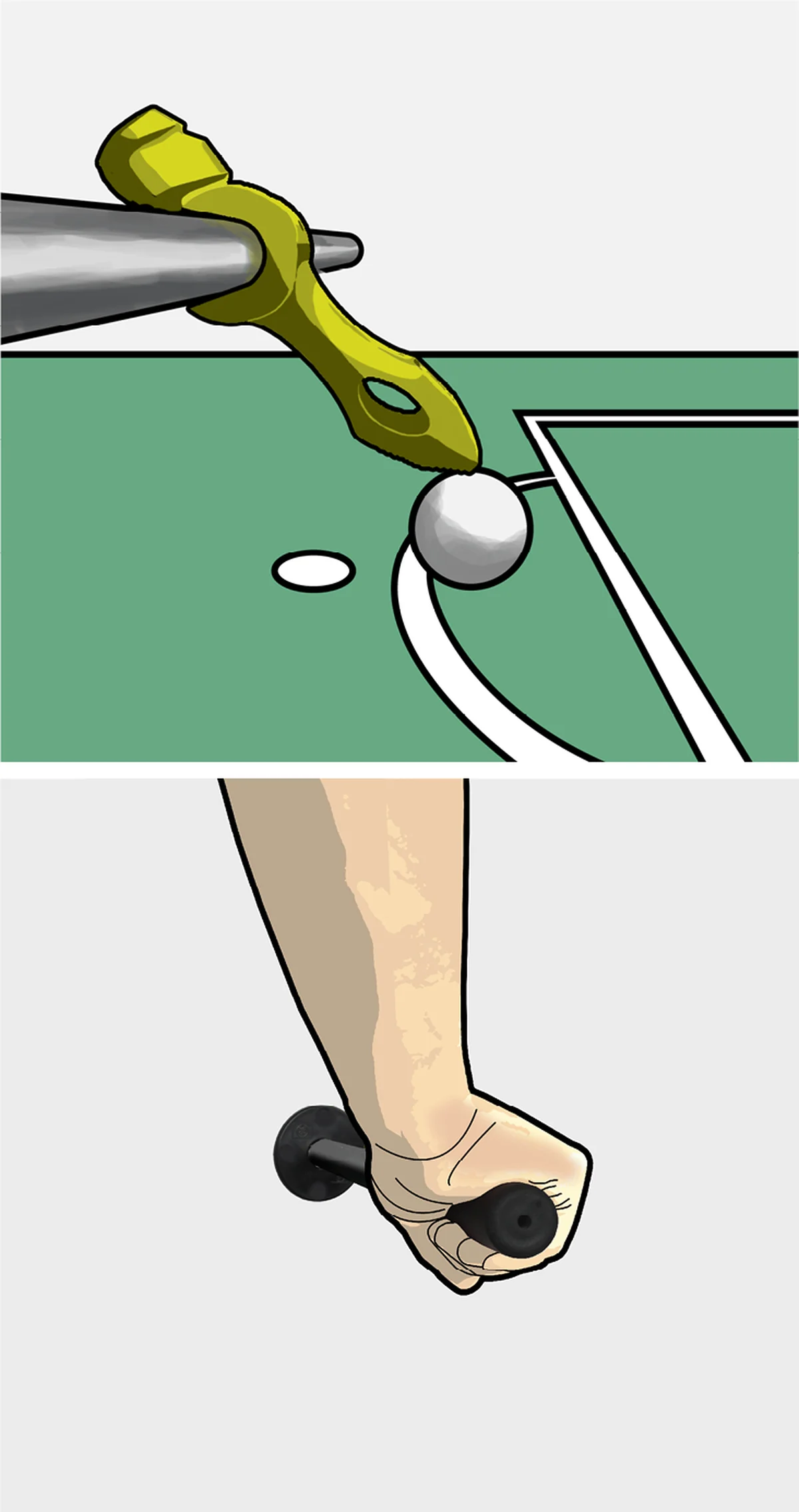
Step 1: Pin the ball
Pin the ball between the figure and the playing surface. The toe of the figure sits on top of the ball. Hold the handle with a loose hand. You are holding it, not strangling it.
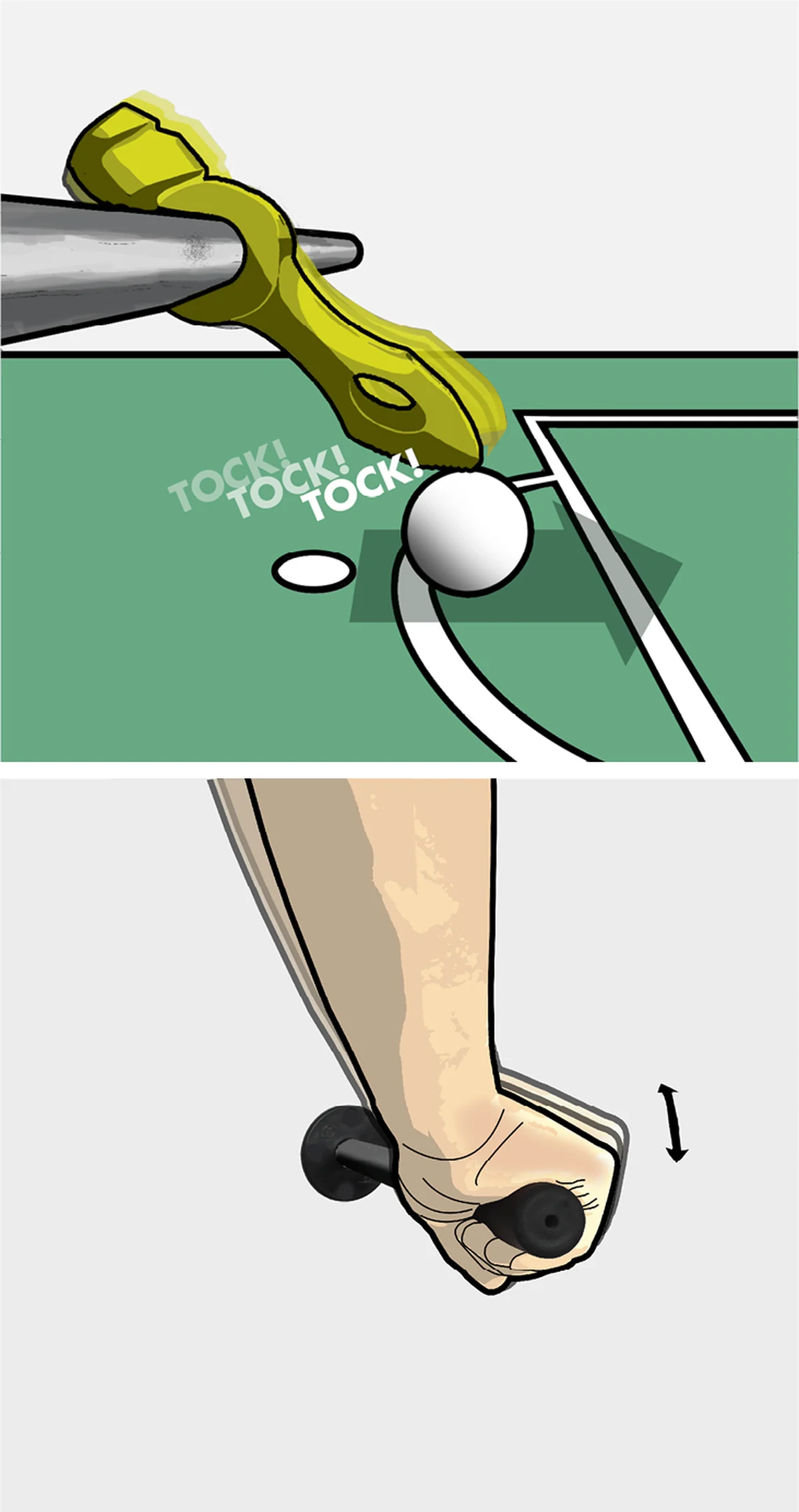
Step 2: Tap the ball forwards
Tap the ball very lightly with the figure. The movement comes from your wrist and stays small. The ball rolls a little way forwards. Pin it again with the same figure.
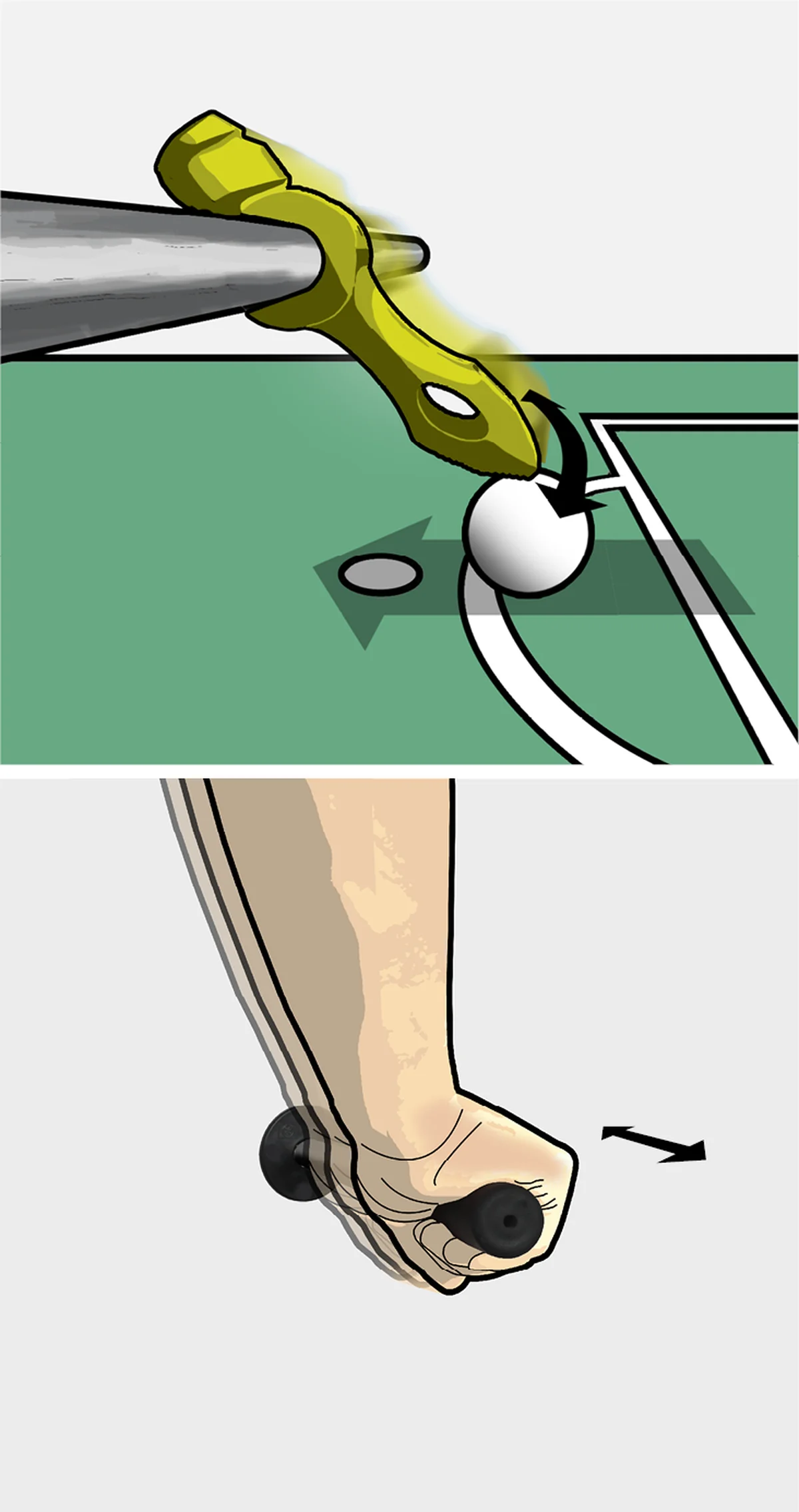
Step 3: Wipe the ball back
Wipe the figure lightly over the ball, from front to back. The ball rolls back towards you. Same rule here: keep the movement small and pin the ball again straight away.
Common ball control mistakes
- You press too hard. The ball squirts out from under the figure.
- The movement is too big. The ball rolls too far and the other side can take it.
- You look at your hand instead of the ball. Your hand will find the handle on its own.
Tip for advanced players
Pass the ball from one figure to the next. Wipe right over the ball and let it roll at the end of the movement. Catch it with the next figure along and send it back with the same movement. Once you can do that ten times without a mistake, you have the basis for every pass.
Lunch-break drill (5 minutes)
- 1 minute: Pin the ball on the 3-bar, release it, pin it again. As often as you can.
- 2 minutes: Tap forwards, wipe back, one after the other. The ball must not leave the figure.
- 2 minutes: Pass the ball back and forth between two figures. Whoever on the team manages the longest run without a mistake wins.
What the rules say
Ball control has no rule of its own. It becomes important on the 5-bar: a ball that has been stopped or pinned there may not be passed straight forward. It has to be moving again first (ITSF Standard Matchplay Rules, version 2.0, section 11 "Passing"). More on this in the wall pass.
Challenge your colleagues
You notice good ball control in a real game, when the other side no longer rattles you. Set up a free league for your office in packeroo, log your games and watch how your record develops.